Demos
Demos  Colors
 Docs
Docs  Support





Some people walk into a room and instantly change its energy. Zena Bernacca is one of them.
Graceful, energetic and impossible to ignore, Bernacca is celebrating her 65th birthday this year. Yet watching her dance, speak and move around the room, few would guess her age. Her enthusiasm is infectious.
At the Baby and Kids Expo 2026, however, she was not simply entertaining an audience. She was there as a passionate advocate for preventive health, delivering a message that was both simple and profound: children can become lifesavers—if only adults prepare them.
One of the most striking lessons from her session centred on something almost every household already has: a mobile phone.
Today’s children are growing up in a digital world. Many toddlers can unlock a smartphone, swipe through photos or launch their favourite game before they can even read. Yet despite this familiarity with technology, many do not know how to make a phone call in an emergency.
Bernacca challenged parents to change that.
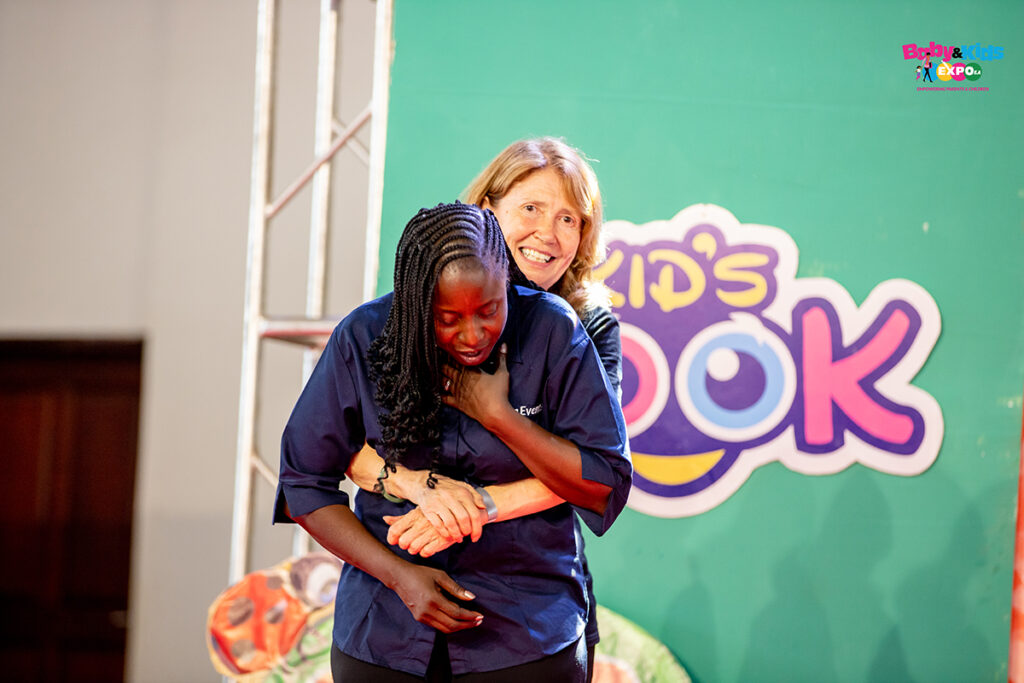
Zena demonstrating how to conduct first aid
She urged families to intentionally teach children, as early as they are able, how to call a trusted adult, neighbour or emergency responder if something goes wrong at home. Imagine a parent collapsing from a heart attack, fainting after a fall or suffering a severe allergic reaction. In those terrifying moments, a young child may be the only person capable of summoning help.
That single phone call could mean the difference between life and death.
Unlike the neat Hollywood scenes where a distressed child dials 911 and help arrives within minutes, emergencies in many countries require a different approach. Children should know the specific numbers that matter in their community—whether it is a parent, grandparent, neighbour, family friend or local emergency service—and they should practise making those calls before an emergency ever happens.
Teaching a child to unlock a phone, find a contact marked “Mum,” “Dad” or “Emergency,” and explain what has happened may take only a few minutes. Yet those few minutes could one day save a life.
Bernacca also highlighted another often-overlooked necessity: a well-stocked first aid kit at home. While first aid kits are commonly associated with vehicles and workplaces, they are just as important in households. Basic supplies such as plasters, antiseptic, bandages, a thermometer and medicines like paracetamol for fever or antihistamines for allergic reactions can provide immediate assistance before professional medical care arrives.
But owning a first aid kit, she noted, is only half the job.
Every member of the household should know where it is kept and understand the basics of using it. Older children can be taught how to apply gentle pressure to a bleeding wound, help someone into the recovery position if they become unconscious but are breathing, identify choking and quickly alert an adult, or fetch prescribed emergency medication while calling for help. These are practical skills that build confidence rather than fear.
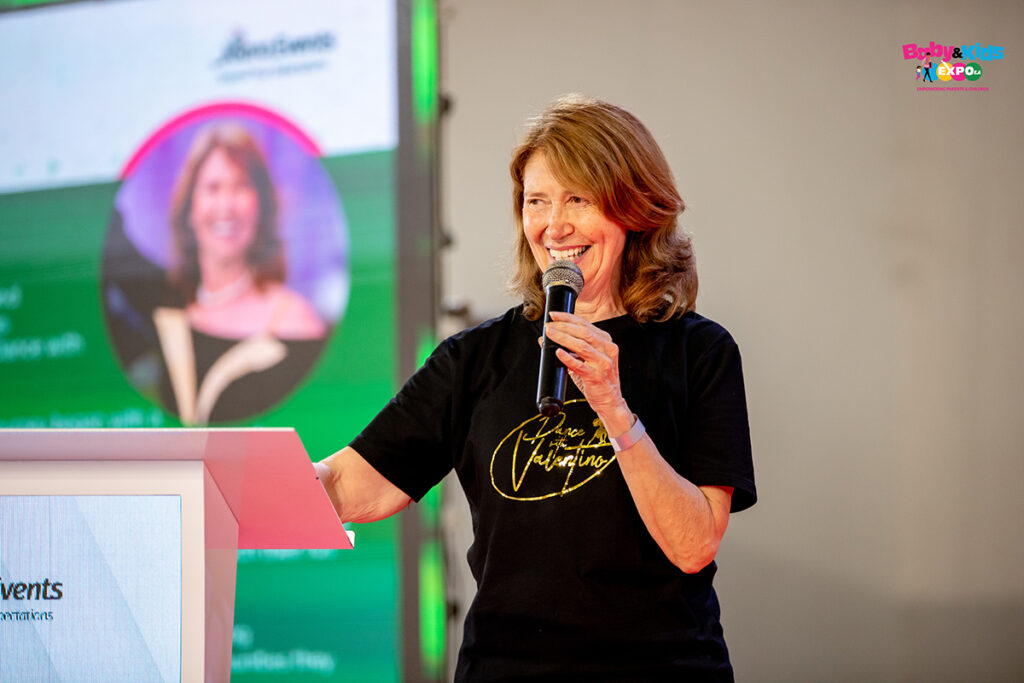
Zena Bernacca
History offers countless examples of children who have become unlikely heroes simply because they knew what to do. Around the world, young children have called emergency services after parents collapsed from medical emergencies, while others have alerted neighbours when fires broke out, enabling families to escape before disaster struck. Their courage often began with something as ordinary as knowing how to use a phone.
Bernacca’s message was ultimately about preparation rather than panic. Emergencies rarely announce themselves. They arrive unexpectedly, leaving little time to think.
By teaching children simple, practical skills—from making an emergency phone call to understanding basic first aid—parents are doing more than preparing them for a crisis. They are giving them the confidence to act when every second counts.
Sometimes, the smallest hands can make the biggest difference.
Before we can even begin to write about the marvel that is St. Francis Primary…
In the world of creative design, “solace” is rare. For Nicholas Mugerwa, the founder of…
In the world of branding, there is a difference between making a business visible and…
Arguably more than any other space outside the home, it is in school that a…

The great explorer of the truth, the master-builder of human happiness no one rejects dislikes avoids pleasure itself because it is pleasure but because know who do not those how to pursue pleasures rationally encounter consequences that are extremely painful desires to obtain.
Read More